Africa's mediterranean door
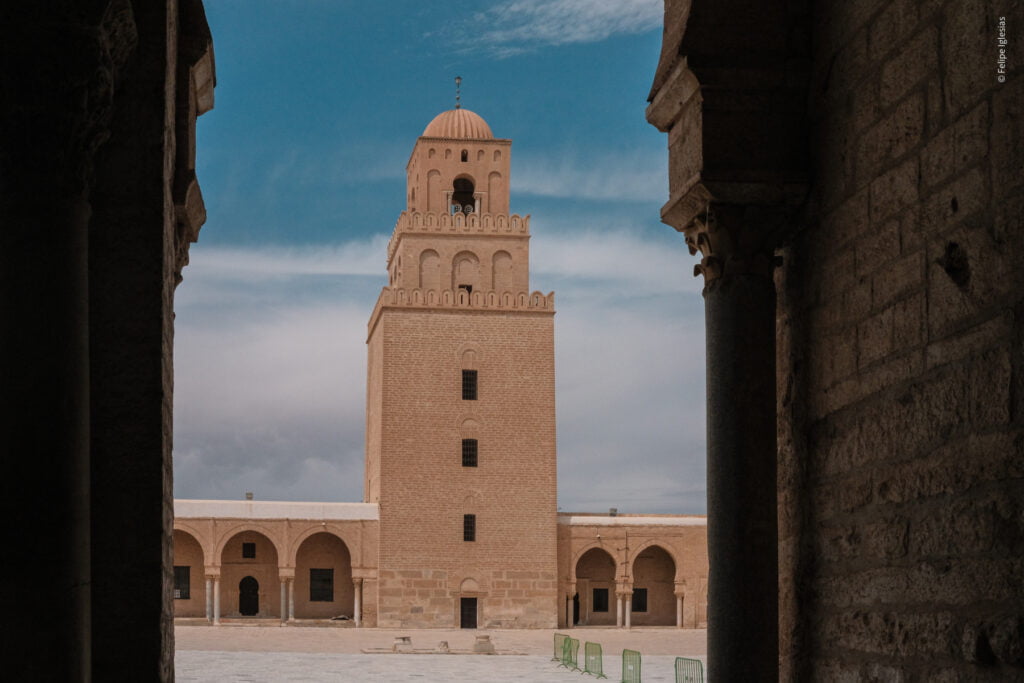
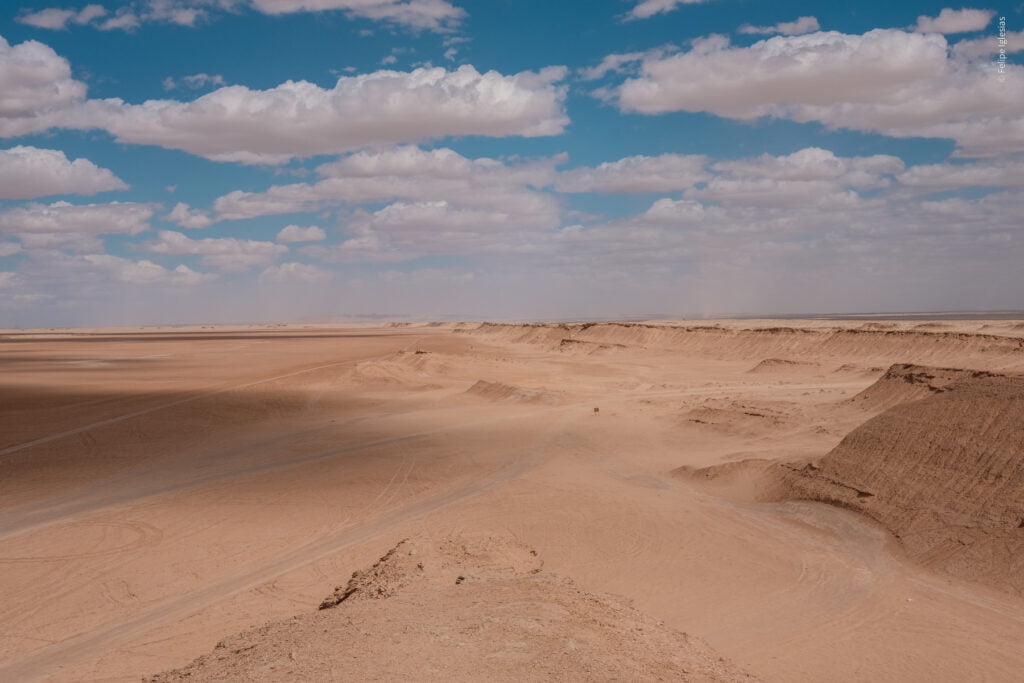
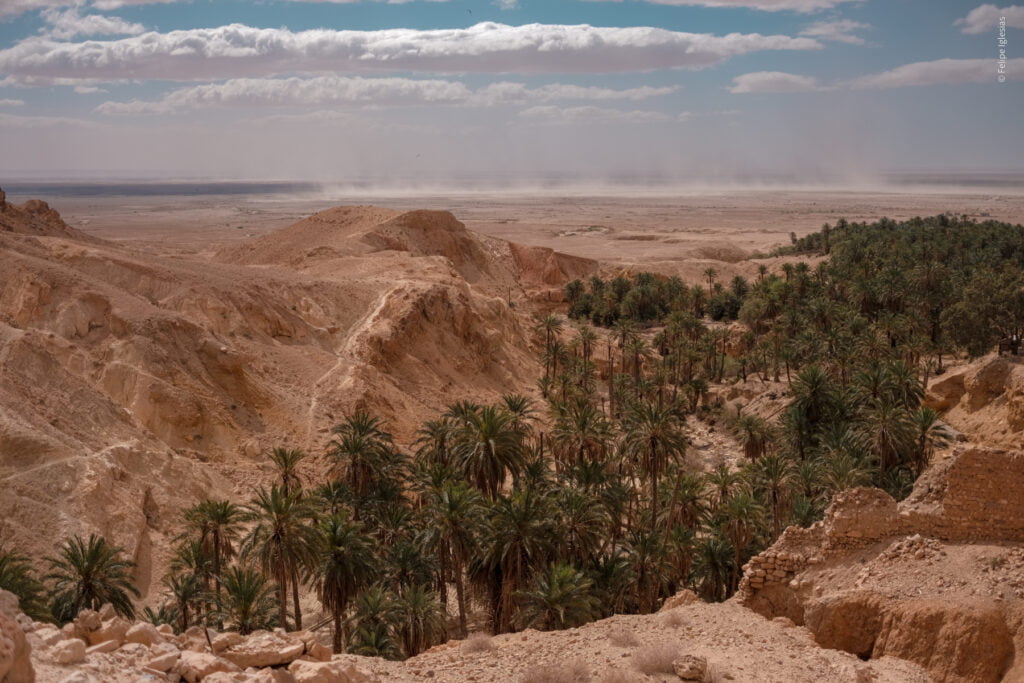
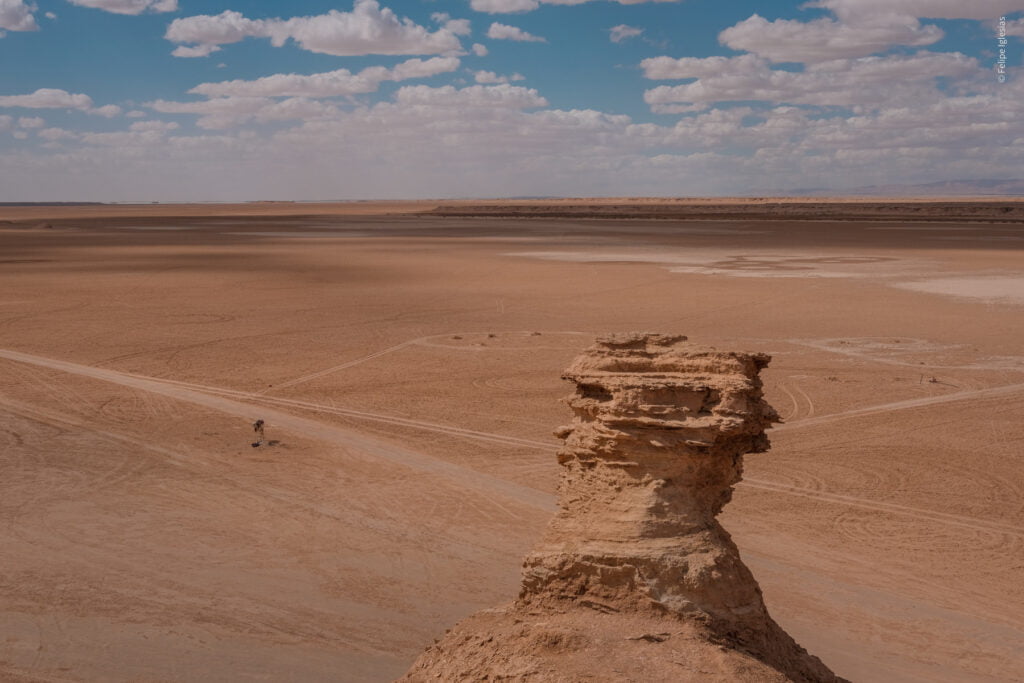
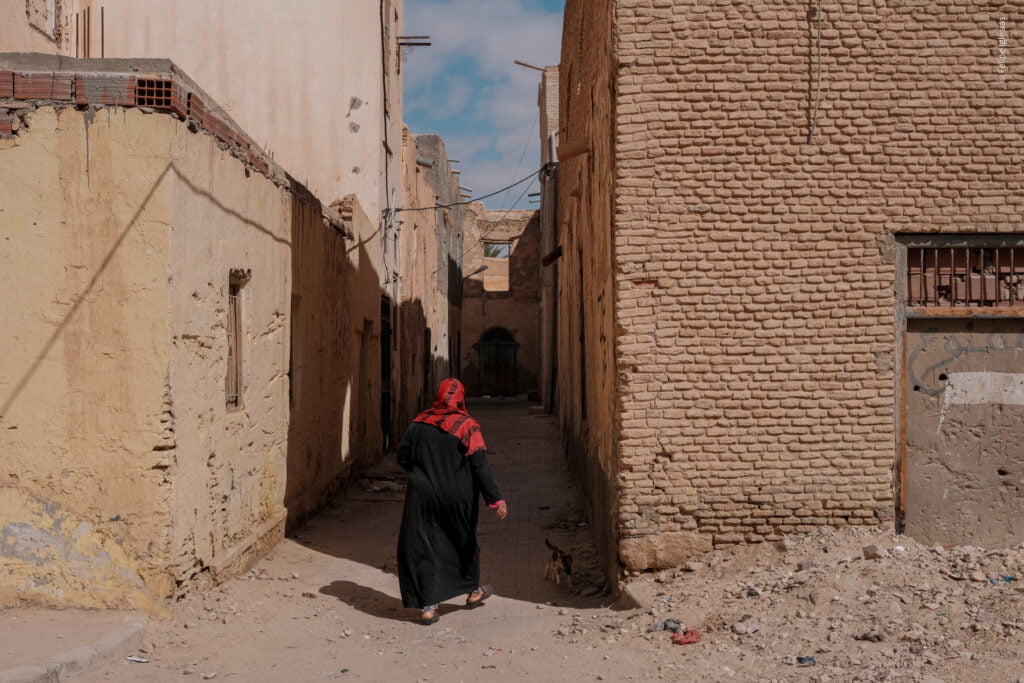
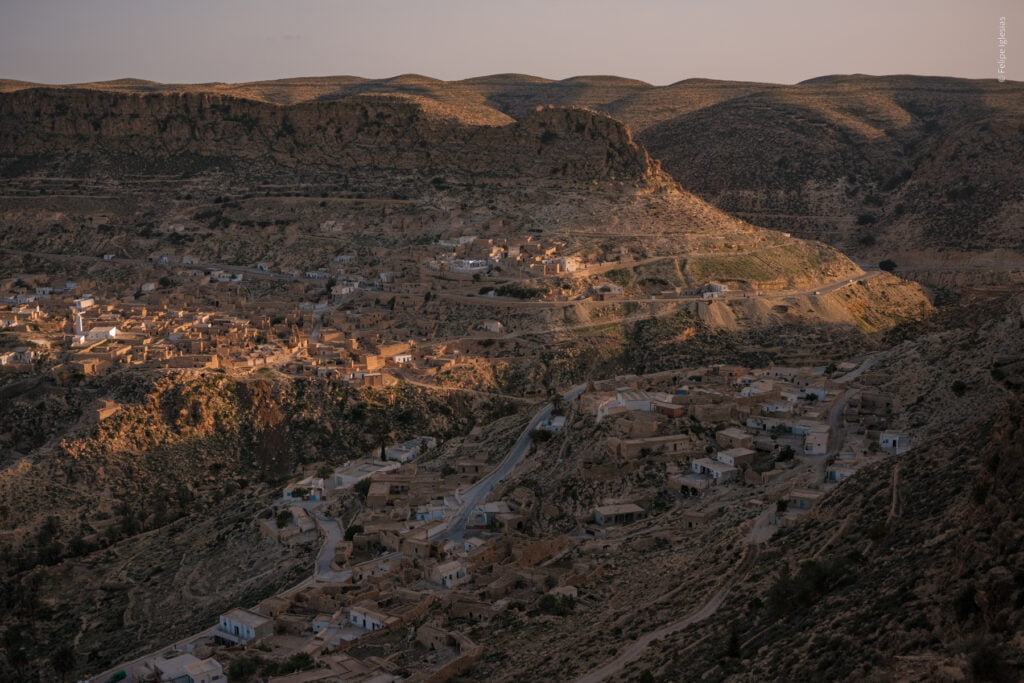
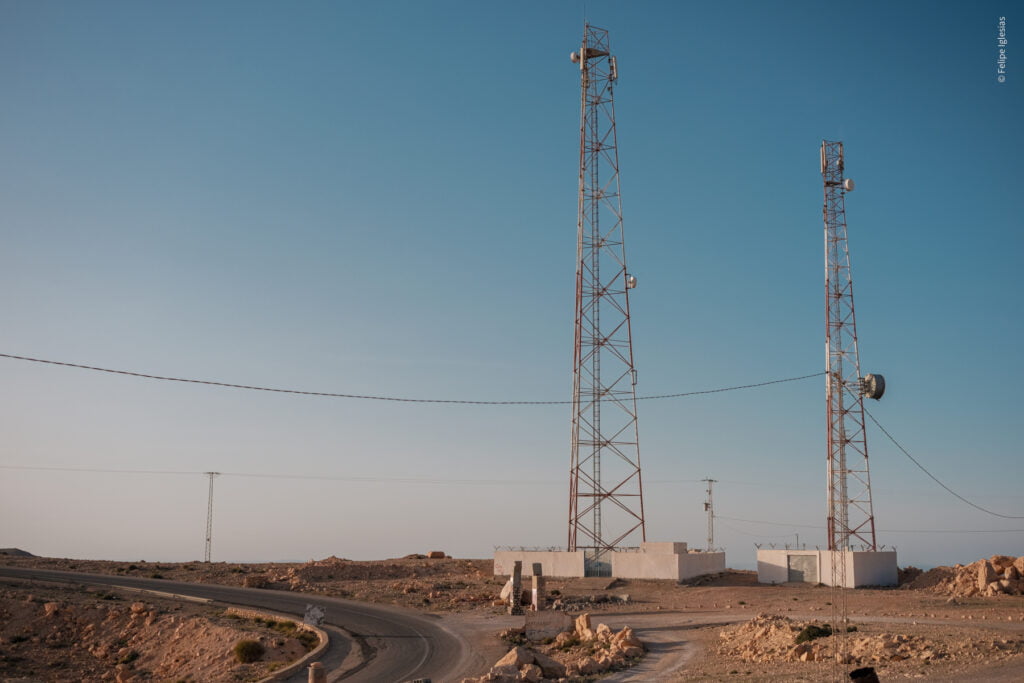
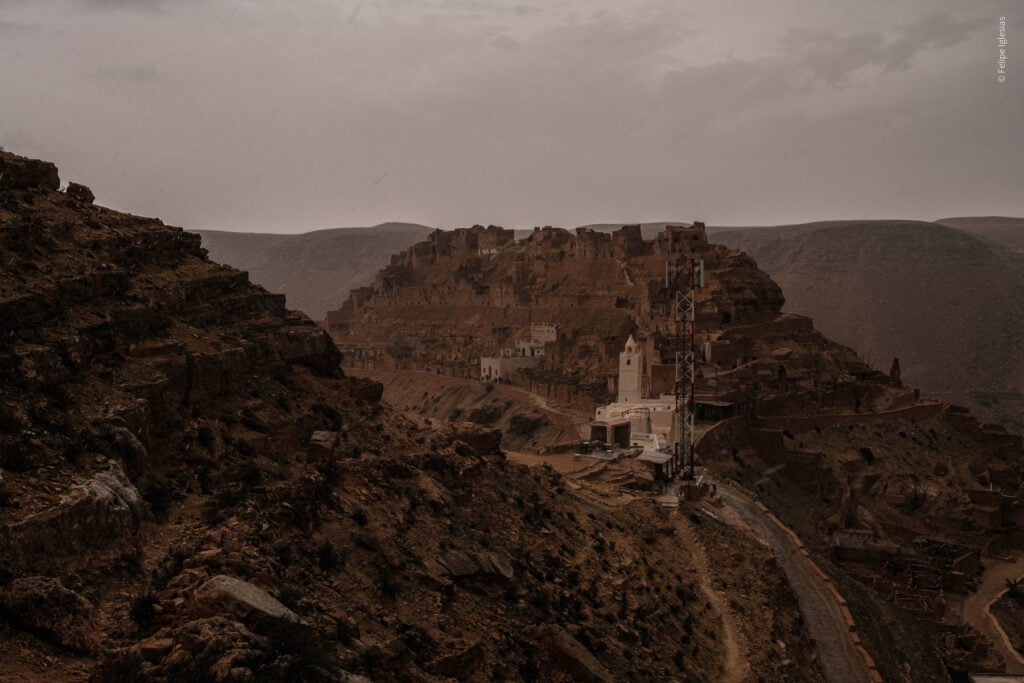
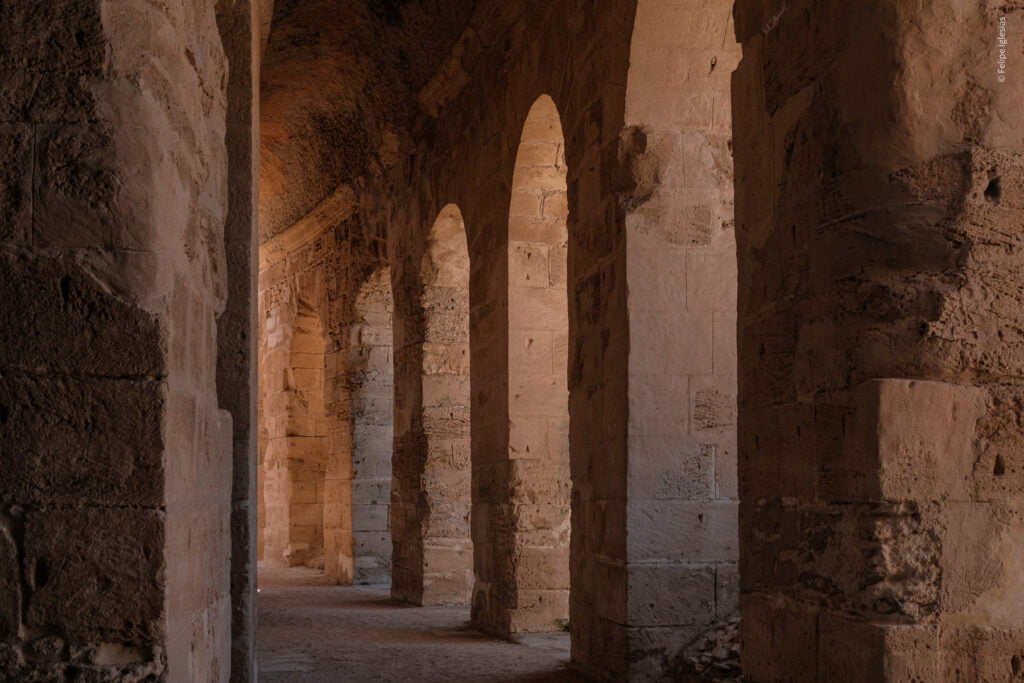
In Tunisia, Romans, Arabs, French and Italians have left their footprint in these Berber lands that, nevertheless, still breathe with their own air. Beautiful infinite deserts are sewn with clouds and rubbish for miles of Saharan landscapes, sign of a troubled and unstable democracy hoping for prosperity, sometimes lost in the narrow passages of their medinas.
The pictures were taken in April 2023 during Ramadan, adding another layer to the journey. The weather situation was pretty dynamic, with overcast and open sky days, windy, rainy and sunny days and also quiet nights. It wasn’t that hot in the desert but it was fairly cold at night.
Ramadan Rhythms and Daily Life
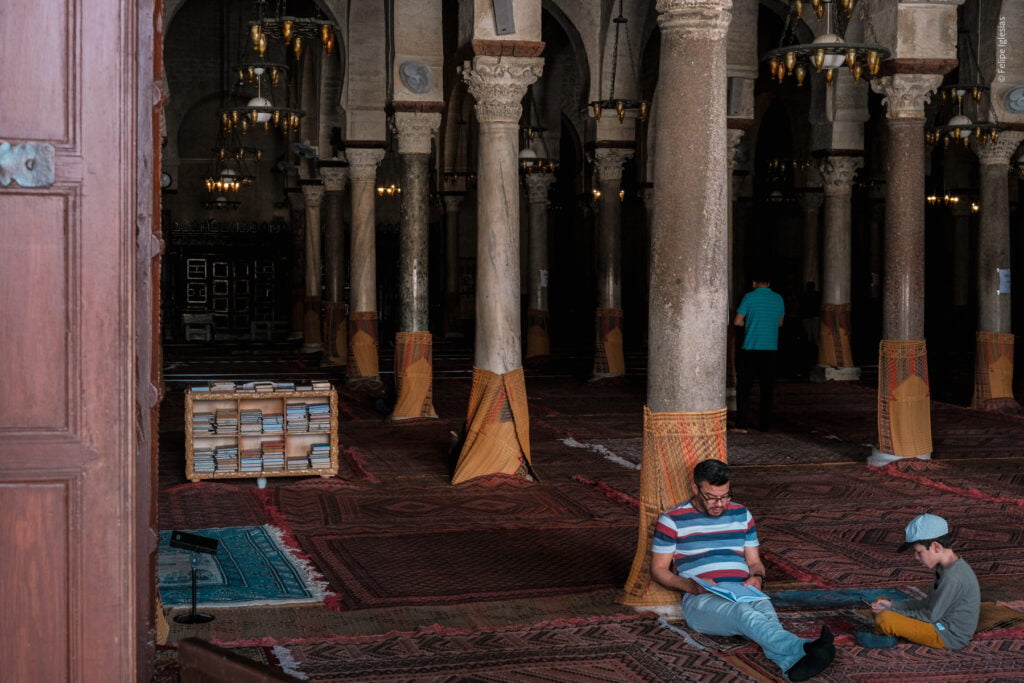
Travelling during Ramadan meant experiencing Tunisian landscape through a different rhythm. Ramadan in Tunisia is typically observed by the majority of the population, with most restaurants closed during daylight hours and cities quieter during fasting hours, coming alive at sunset. The atmosphere shifts dramatically: quiet, contemplative days transform into vibrant evenings when families break fast together.
This timing profoundly influenced my shots: Daytime streets in the medinas held a peaceful, almost meditative quality. Then, as sunset approached, the energy changed completely. The call to prayer signalled iftar, and suddenly the narrow passages filled with life, aromas, and community gatherings.
A Journey Through Tunisia’s Heart
We had the opportunity to go from El Marsa in northern Tunisia to Kairouan, Gafsa, Tozeur, Chebika Oasis, Ong Jmel, Chott el Djerid, Midès, Douz at the door of the Sahara desert, Tamezret, Matmata, Chenini, Ksar Ouled Soltane, and El Jem.
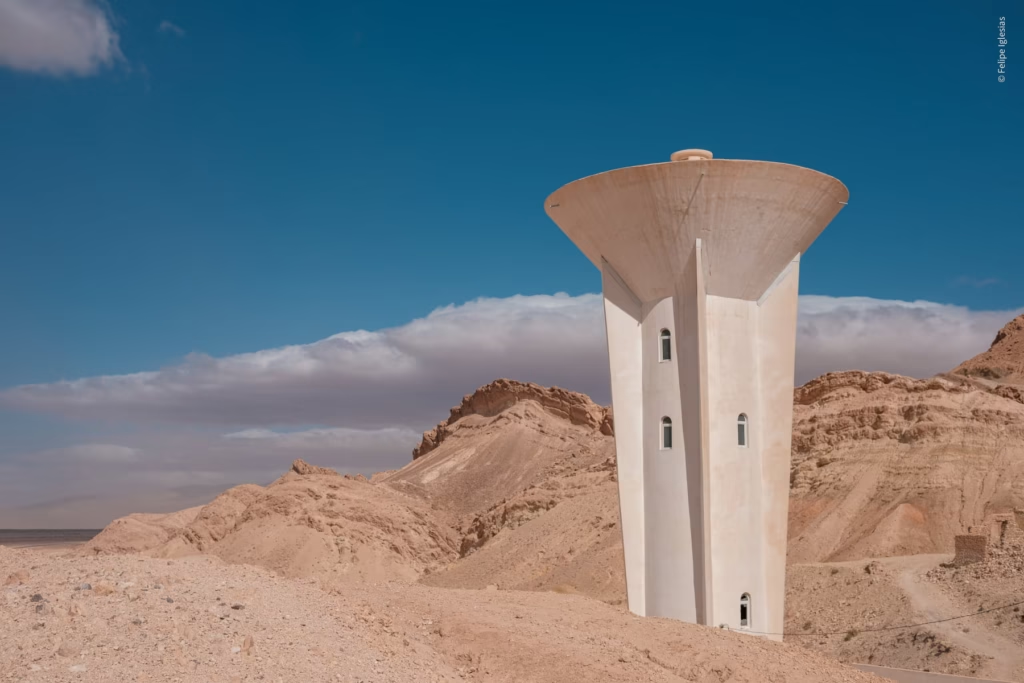
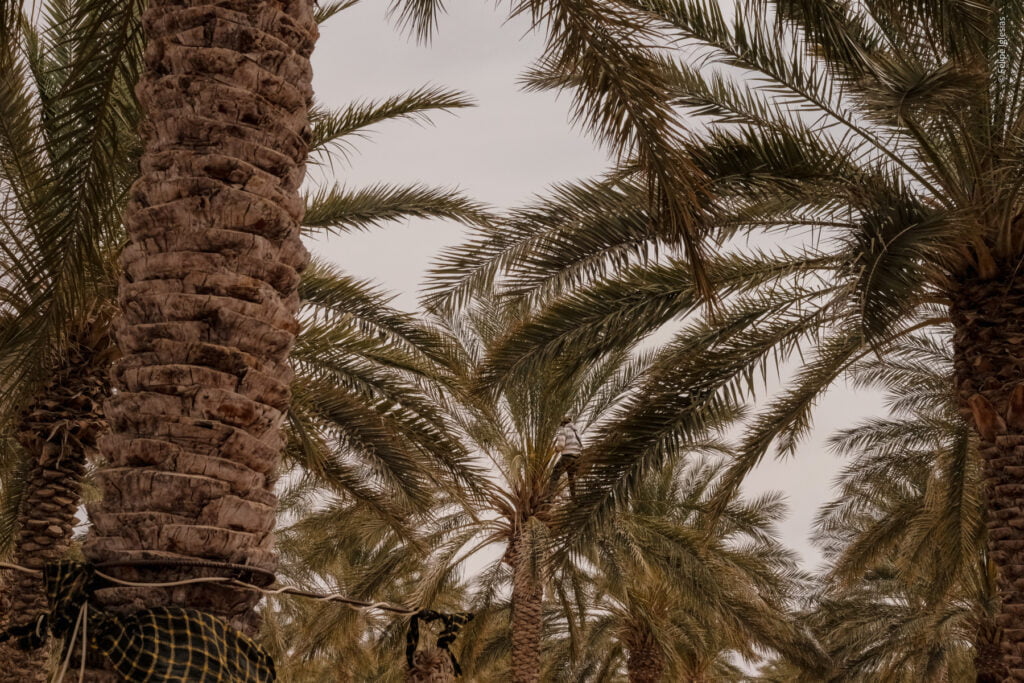
Douz is known as the “Gateway to the Sahara”, and it really does feel that way. Once you leave the city, you’re surrounded by endless sand dunes. The mountain oases of Chebika, Tamerza, and Midès are not only beautiful but also rich in cultural significance, with waterfalls and lush palm groves standing in stark contrast to the arid desert environment.
Minimal Equipment for Maximum Flexibility
My photo camera was a Fujifilm X-E4 and I used a prime lens Fujinon 27mm f2.8, offering maximum portability and minimal resources. This compact setup proved perfect for Tunisia’s varied landscapes and street photography. Spring and autumn provide soft light and manageable temperatures, with desert scenes looking spectacular shot at golden hour.
The 27mm prime (approximately 41mm equivalent) forced a more intentional approach to composition. Without zoom capability, I had to move closer to subjects, creating more intimate connections with people and places. The fast f2.8 aperture performed beautifully in the low light of medina interiors and during evening iftar gatherings, whilst the compact size of the X-E4 and pancake lens made the setup discreet for candid portraits.
Life in the Medinas and Ancient Baths
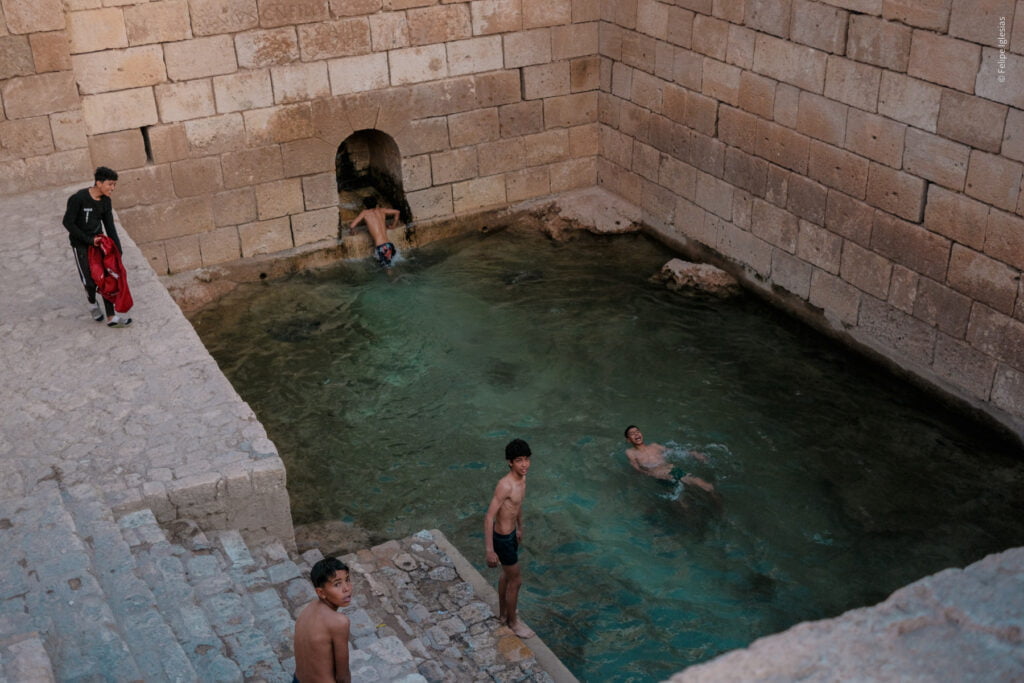
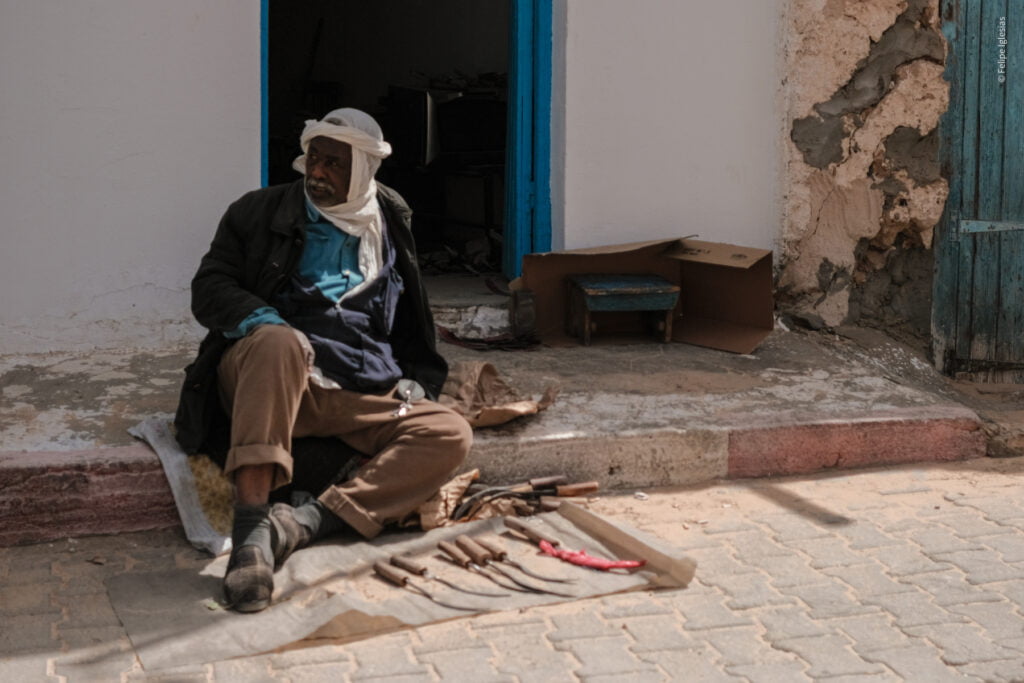
Beyond landscapes, these photographs capture portraits of people living their daily life in the medinas and kids playing and swimming around Roman baths. Street photography in Tunisian medinas requires sensitivity and respect, particularly during Ramadan when observing local customs becomes even more important.
Children splashing in ancient Roman baths created scenes where millennia of history collapsed into playful present-day moments. These swimming spots, originally built for Imperial Rome’s citizens, now serve local communities as gathering places where kids cool off during warm afternoons. The juxtaposition of ancient architecture and contemporary life captures Tunisia’s unique character.
In the medinas, daily life unfolds in timeless patterns, albeit adjusted for Ramadan. Artisans work in their workshops, merchants arrange their goods, families navigate the maze-like passages. These portraits document a way of life that exists alongside modernity, where tradition and contemporary Tunisia coexist in the same narrow streets.
Berber Heritage and Desert Contrasts
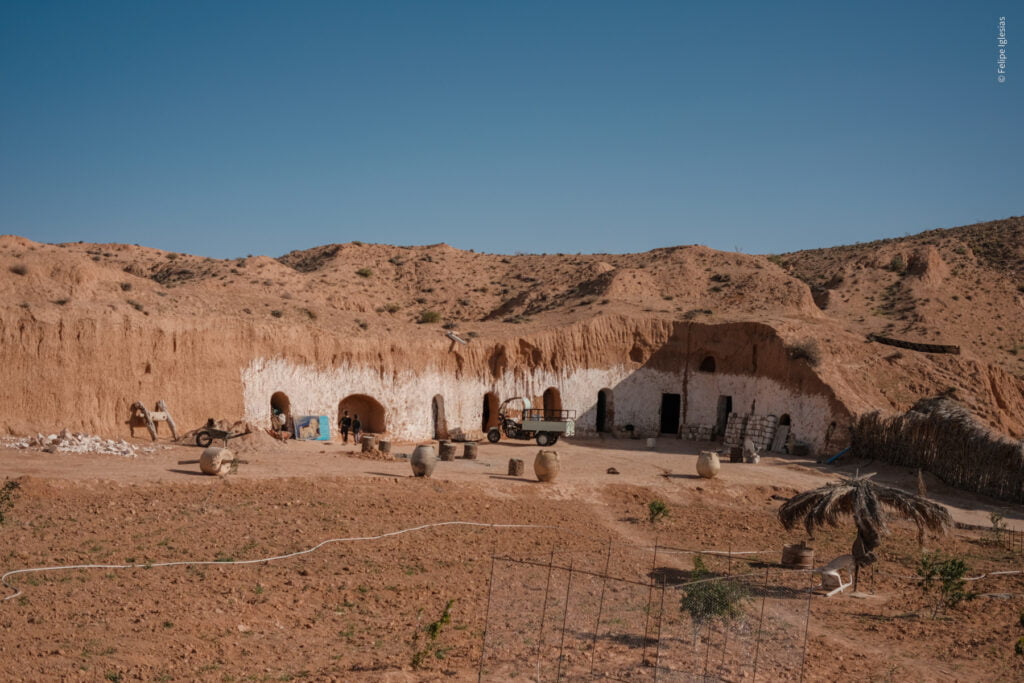
Matmata struck me at first sight. The underground houses carved into the rock create an otherworldly landscape. The carved Berber dwellings impressed with their ingenious adaptation to the harsh desert environment, offering cool refuge from daytime heat and insulation against freezing nights.
Ksar Ouled Soltane, which served as a grain store for the Berbers in the past, represents beautiful cultural heritage. This historic fortified village in typical Berber architecture was usually built on strategic locations, and it’s also one of the famous Star Wars filming locations in Tunisia.
The Reality of Modern Tunisia
Tunisia is a large and varied country, stretching from Mediterranean beaches through lush countryside and rolling hills to the Atlas Mountains peaks, dried-up salt lakes, mountain oases with palm tree forests, and vast sand dunes that form part of the Sahara. Scattered throughout the country you’ll find traces dating back to various rulerships that succeeded each other.
Yet the modern reality is complex. The beautiful infinite deserts carry signs of environmental challenges and economic struggles. The narrow passages of medinas hold stories of a nation navigating democracy, tradition, and aspirations for prosperity. This complexity makes Tunisia compelling for documentary photography, where beauty and struggle coexist in every frame.
Days and Nights Under Saharan Skies
The temperature extremes shaped the photography rhythm, as did Ramadan’s daily cycle. Days offered intense light perfect for capturing the texture of sand dunes, the weathered facades of Berber villages, and the quieter moments in medina streets during fasting hours. Nights brought cold that required layers, but also crystal-clear skies where stars seemed close enough to touch, and the warmth of iftar gatherings breaking the day’s fast.
The dynamic weather of April 2023 meant every day offered different photographic opportunities. Overcast days softened shadows in the oases and medinas, revealing details easily lost in harsh midday sun. Sunny days created dramatic contrasts between light and shadow across desert landscapes. Windy days animated the sand, creating ethereal patterns and textures impossible to capture in still conditions.
Project Vitals
Location: Tunisia (El Marsa, Kairouan, Gafsa, Tozeur, Chebika Oasis, Ong Jmel, Chott el Djerid, Midès, Douz, Tamezret, Matmata, Chenini, Ksar Ouled Soltane, El Jem)
Date: April 2023 (during Ramadan)
Camera: Fujifilm X-E4
Lens: Fujinon 27mm f2.8 (prime)
Weather: Dynamic (overcast, sunny, windy, rainy days; cold nights)
Temperature: Moderate days (20-30°C), cold nights
Theme: Berber culture, Sahara desert, Ramadan observations, street photography, portraits, cultural heritage, modern Tunisia contrasts
Personal Project
In this gallery : El Marsa, Kairouan, Gafsa, Tozeur, Chebika Oasis, Ong Jmel, Chott el Garsa, Mìdes, Douz, Tamezret, Matmata, Chenini, Ksar Ouled Soltane, El Jem.
April, 2023.
Country
Tunisia