Inspired perspectives
The Piaget Frames creative pitch emerged when Piaget asked Leo Burnett Milan to participate in a creative tender to introduce their brand to a new generation of customers whilst maintaining their iconic style and history.
With this need in mind, we developed five distinct communication creative concepts, each one taking into account ATL and BTL derivatives such as street and web ads, magazine insertions, catalogues, store windows, and retail concepts.
The Challenge: Heritage Meets New Generation
Piaget represents Swiss luxury watchmaking and high jewellery at its finest, with a heritage dating back to 1874. The challenge was introducing this storied brand to younger luxury consumers without diluting the craftsmanship, elegance, and exclusivity that define Piaget’s positioning.
The tender brief required creative concepts that could work across all touchpoints, from traditional print advertising in luxury magazines to contemporary digital formats, from flagship boutique windows on Bond Street or Avenue Montaigne to retail concepts in emerging luxury markets. Each concept needed versatility without losing distinctive creative vision.
The “Frames” Concept
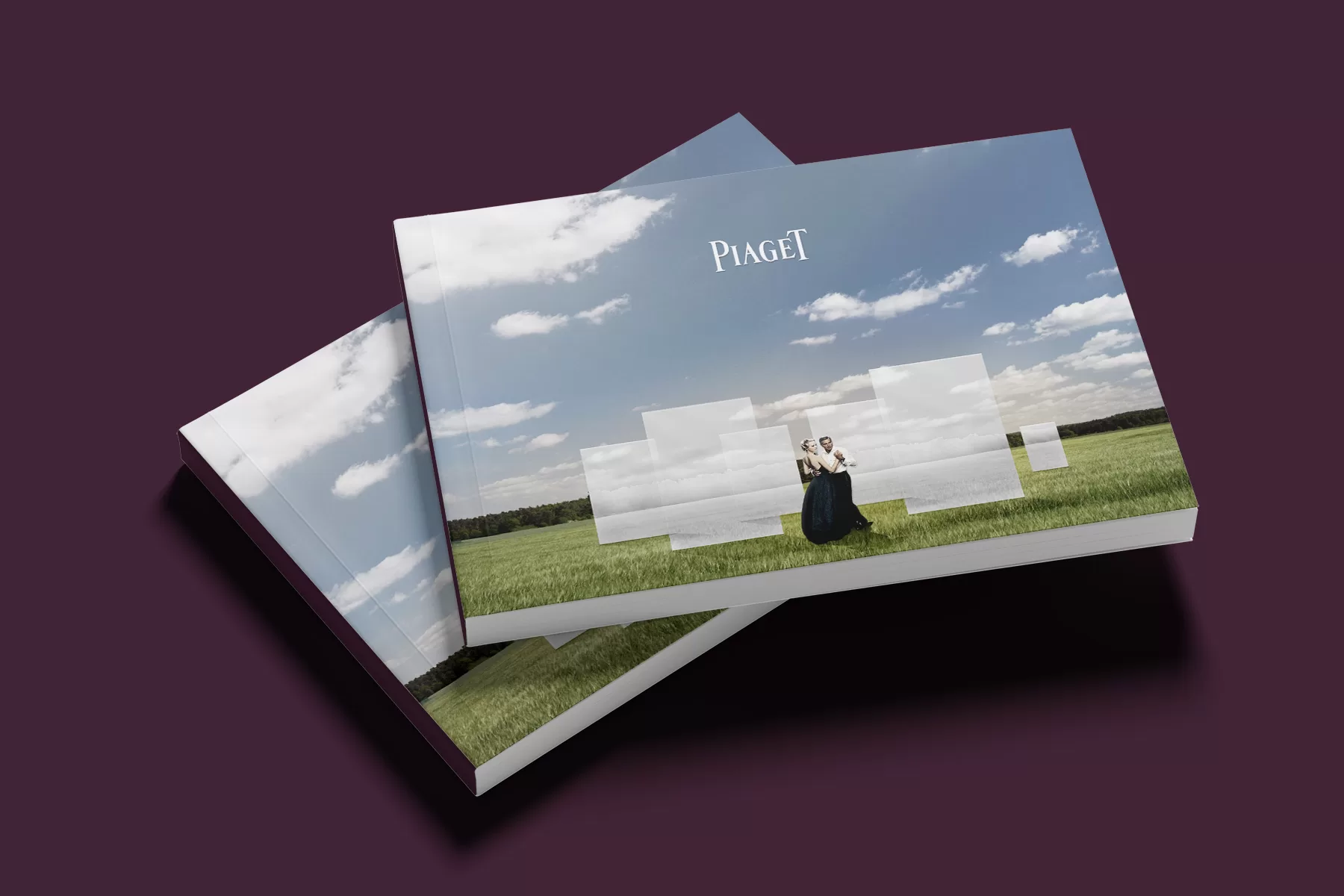
The artistic path I took was dubbed “Frames.” The idea is that when someone wears a Piaget item, the world around them changes and becomes distinct and exceptional. Then, each Piaget piece is its own parallel planet.
This concept positioned Piaget not merely as jewellery or timepieces, but as transformative objects that alter perception and experience. When you clasp a Piaget bracelet or fasten a Piaget watch, you don’t just adorn yourself with luxury, you step into a different reality where beauty, craft, and possibility exist on another plane.
Artistic Approach: Magritte-Inspired Surrealism
Our artistic approach was to produce dreamlike graphics inspired by Magritte’s paintings, or to develop articulated tales of continual replacement items or users, depending on the requirement.
René Magritte’s surrealist work perfectly aligned with the “Frames” concept. His paintings challenge perception, placing familiar objects in impossible contexts, creating worlds where logic bends and reality shifts. This visual language felt natural for communicating how Piaget pieces transform their wearers’ experience.
Some executions featured single Piaget pieces floating in impossible spaces, surrounded by surreal elements that suggested the parallel planet each item creates. Other executions showed sequences of transformation, where everyday scenes shifted into extraordinary tableaux the moment a Piaget watch or jewellery entered the frame.
Five Distinct Creative Concepts
Beyond “Frames,” we developed four additional creative concepts, each approaching Piaget’s challenge from different angles. One concept emphasised heritage and craftsmanship through intimate close-ups of watchmaking details. Another positioned Piaget as the choice of artistic visionaries, featuring collaborations with contemporary artists and designers.
A third concept focused on timeless elegance through minimalist compositions that let the pieces speak for themselves against stark, sophisticated backgrounds. The fourth explored Piaget’s connection to moments of celebration and achievement, positioning the brand as the natural choice for life’s most significant milestones.
Each concept was fully developed with ATL applications (television, print, outdoor advertising) and BTL derivatives (point-of-sale materials, retail concepts, digital activations, catalogues). This comprehensive development demonstrated how each creative direction could sustain a global campaign across multiple years and touchpoints.
Campaign Applications Across Touchpoints
The “Frames” concept proved particularly versatile across formats. Magazine insertions featured surreal full-page spreads that stopped readers mid-scroll. Street advertising brought the dreamlike quality to urban environments, creating moments of unexpected beauty in everyday commutes. Web ads used subtle animation to enhance the transformation effect, showing the shift from ordinary to extraordinary as the Piaget piece entered frame.
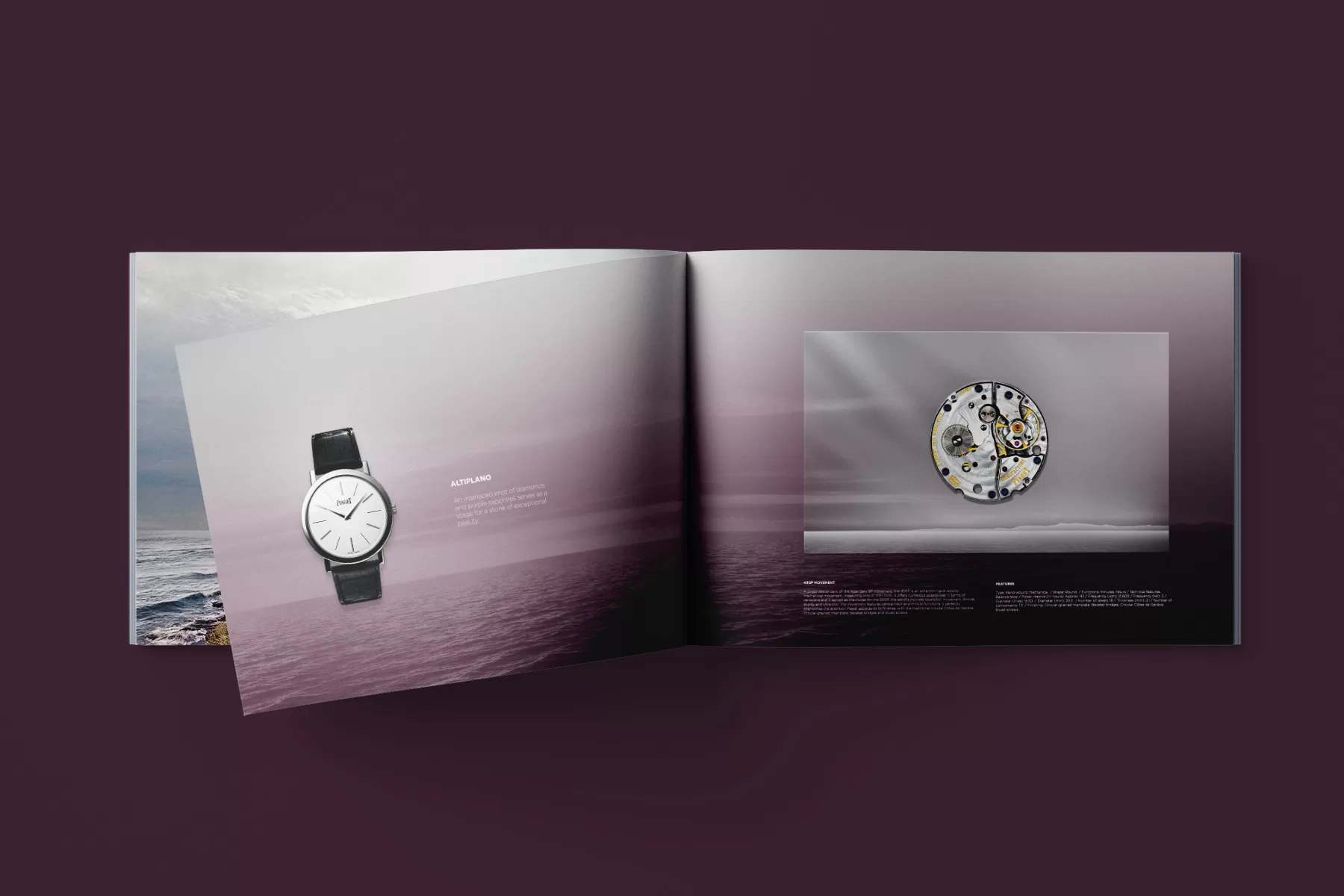
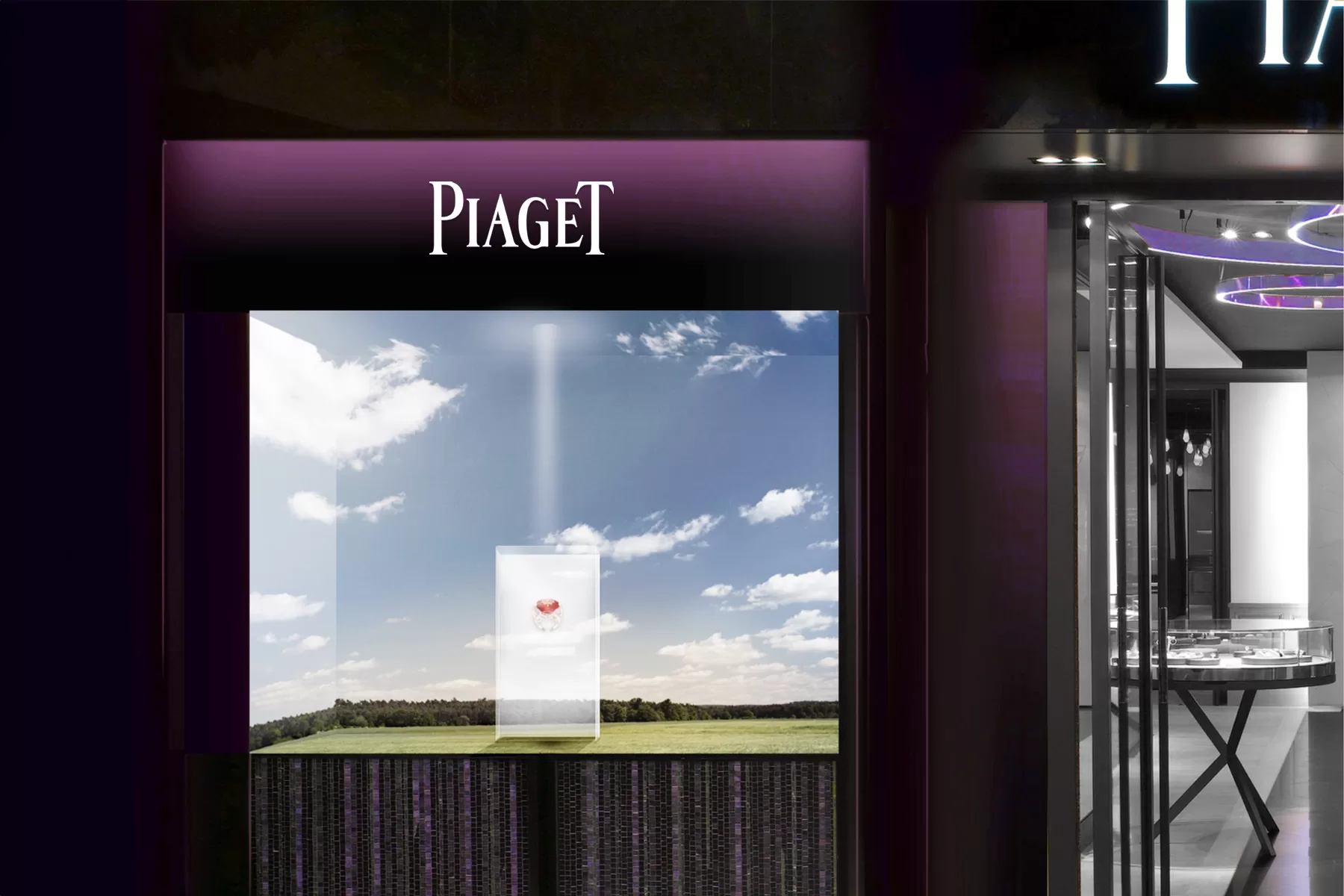
Store windows became portals to these parallel planets, with theatrical installations that brought the Magritte-inspired aesthetic into three-dimensional retail spaces. Catalogue design maintained the surreal visual language whilst providing the product information and craftsmanship details luxury consumers expect.
Positioning for the Future
This creative pitch demonstrated that luxury heritage brands can speak to new generations without abandoning what makes them special. “Frames” honoured Piaget’s history of exceptional craftsmanship whilst presenting it through contemporary creative vision that resonated with younger luxury consumers seeking meaning, transformation, and artistry in their purchases.
Project Vitals
Client: Piaget
Agency: Leo Burnett Milan
Project Type: Creative Tender Pitch
Number of Concepts: 5 distinct creative directions
Featured Concept: “Frames”
Artistic Inspiration: René Magritte’s surrealist paintings
Scope: ATL (street ads, web ads, magazine insertions) and BTL (catalogues, store windows, retail concepts)
Challenge: Introduce Piaget to new generation whilst maintaining iconic style and history
Year: 2016
Role: Creative Director, Concept Development
Client
Piaget
Agency
Leo Burnett, Milan
Country
Switzerland